Writing
Blog
Writing on AI, small business, context, and how good ideas become meaningful products.
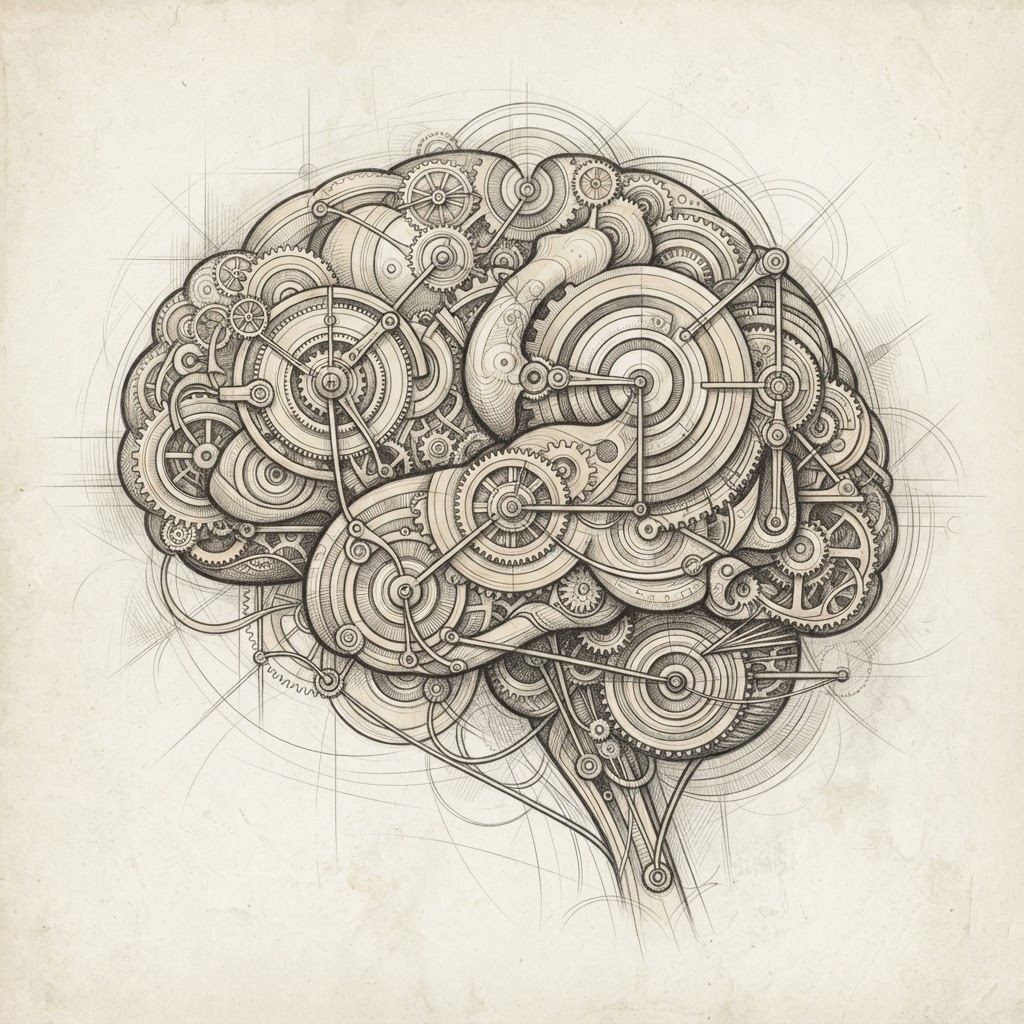
Trying to Define an AI Operating System
Everyone uses the phrase 'AI operating system,' but almost no one defines it. Here is my working definition - and the four layers I think actually matter.
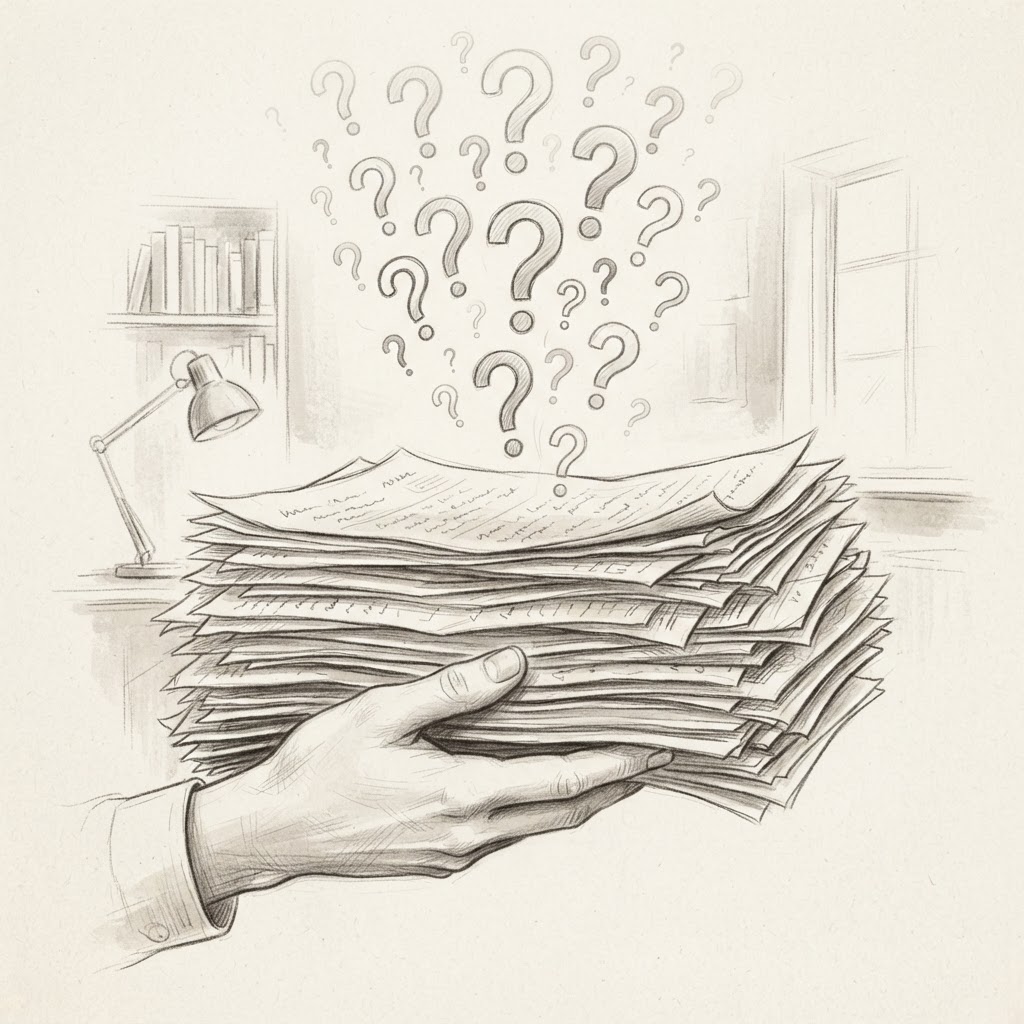
What I Learned From Reading 100 Small Business Questions on Reddit
I read 100 real questions from small business owners. The surprises were not what they asked about - but what they didn't ask about at all.
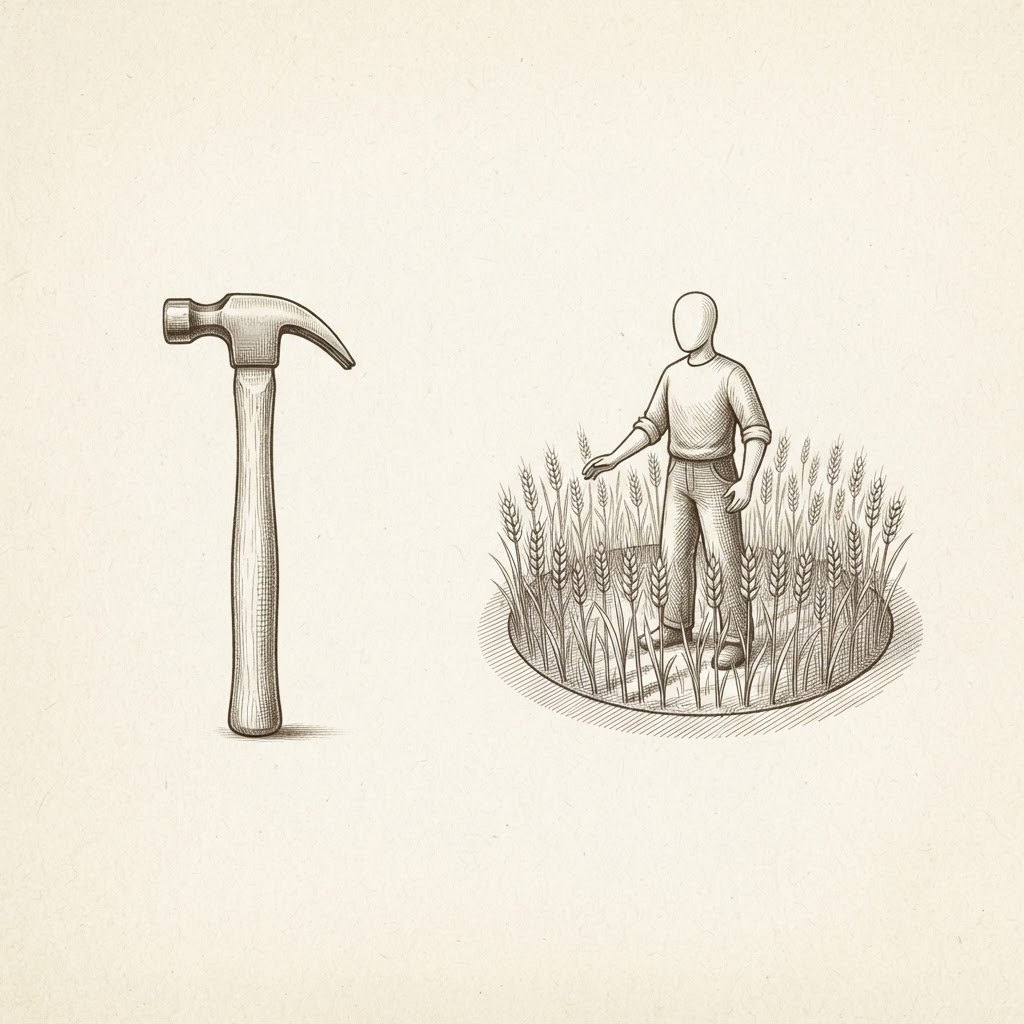
A Tool Has a Function. A Teammate Owns a Domain.
AI tools complete tasks. An AI Team owns a domain. Here's why calling AI an agent or teammate doesn't make it a team, and what real ownership requires.
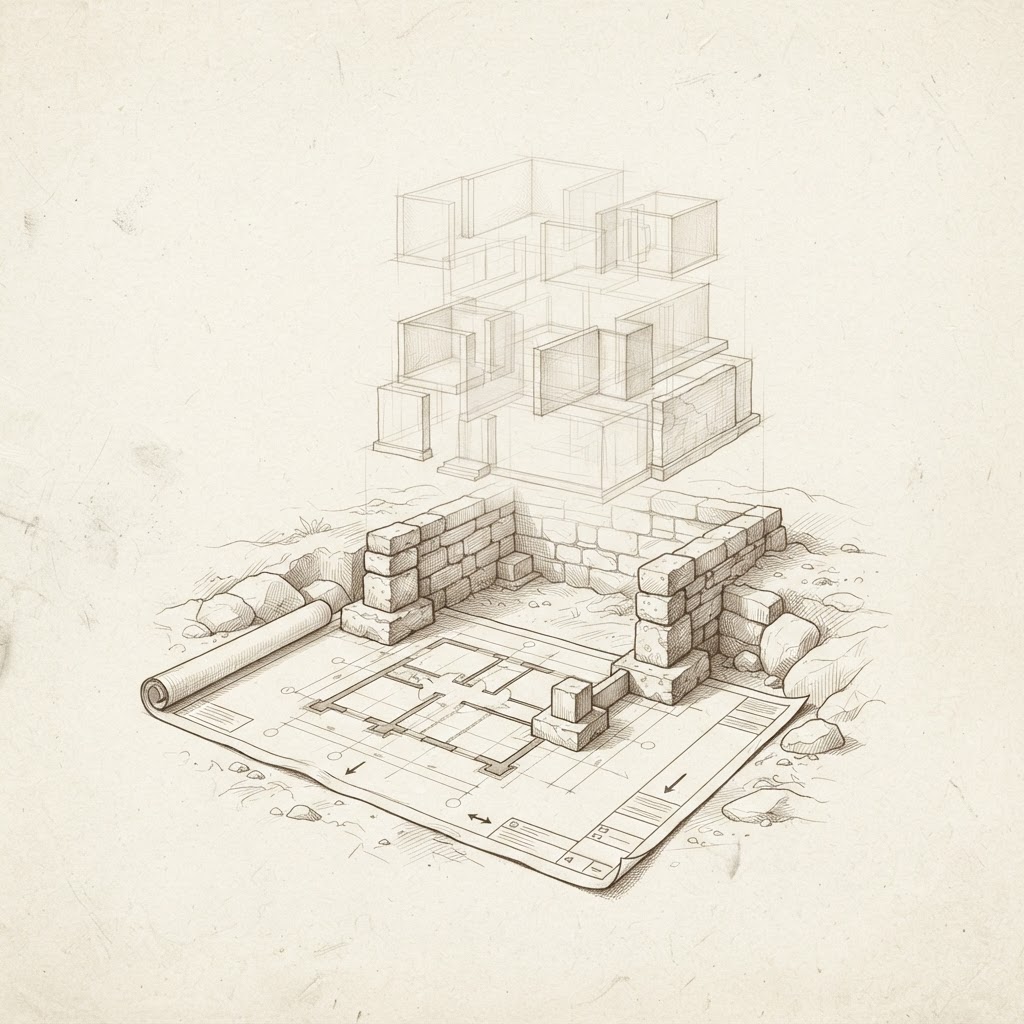
Before Memory, a Business Needs DNA
A business can have perfect AI memory and still get generic advice. Here's the layer that has to exist before memory becomes useful: Business DNA.

How to Define Your Business DNA
The 15 Questions Every Business Should Answer Before Using AI
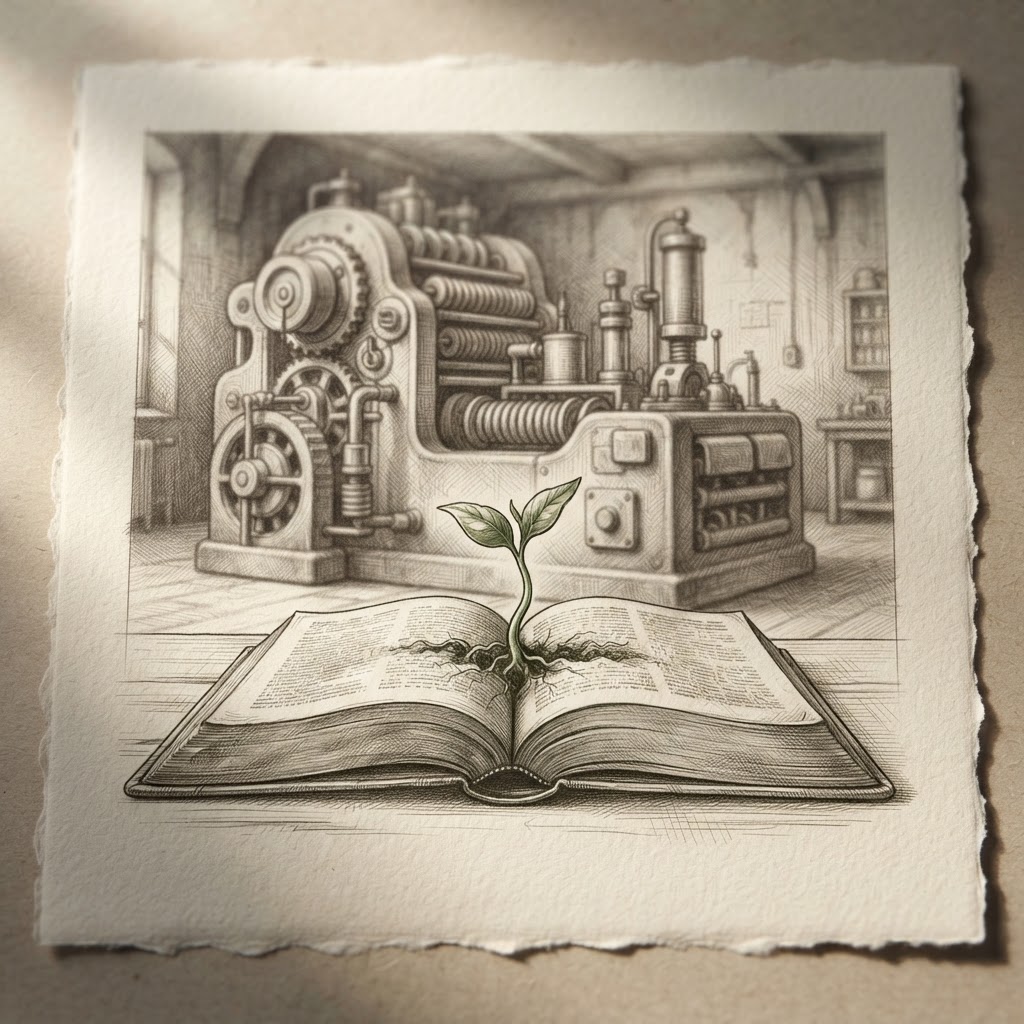
The Best AI Answer Does Not Start With the Model
A stronger AI model isn't the fix for a generic answer. The real gap is relevance, does the system understand this business, not just its category?

Most Small Business Owners Don't Lack Potential. They Lack Access.
Talent is evenly distributed. Opportunity is not. The real bottleneck for small business owners isn't capability - it's access to the systems, capital, and advice that make growth possible.

The Thinking Gap: Why Small Businesses Need More Than Tools
AI tools help small businesses move faster. But speed is not the same as clarity. Here's why the real gap is deciding what to do next, not doing more.
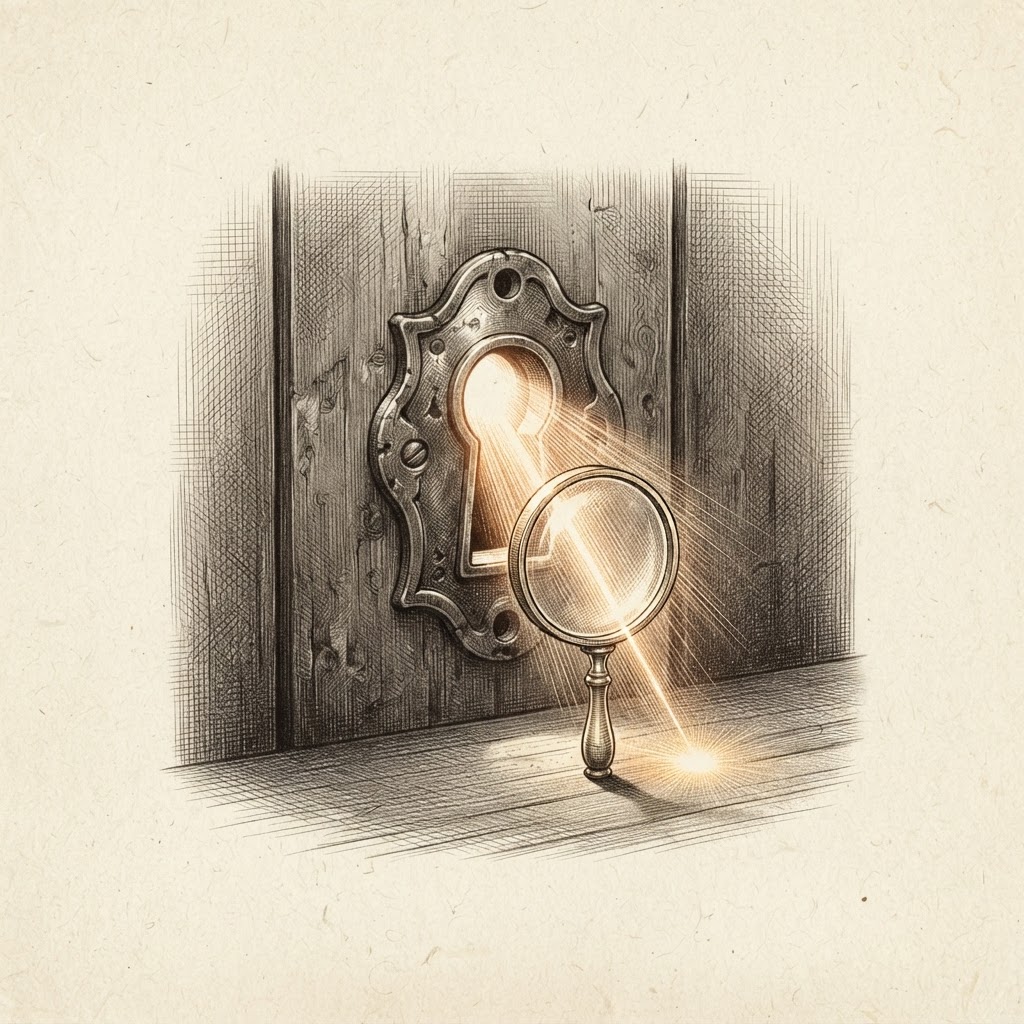
Why AI Context Is Becoming the New Competitive Advantage
Access to AI is universal now. Context is not. Here's why that gap is where the next competitive advantage in small business actually lives.
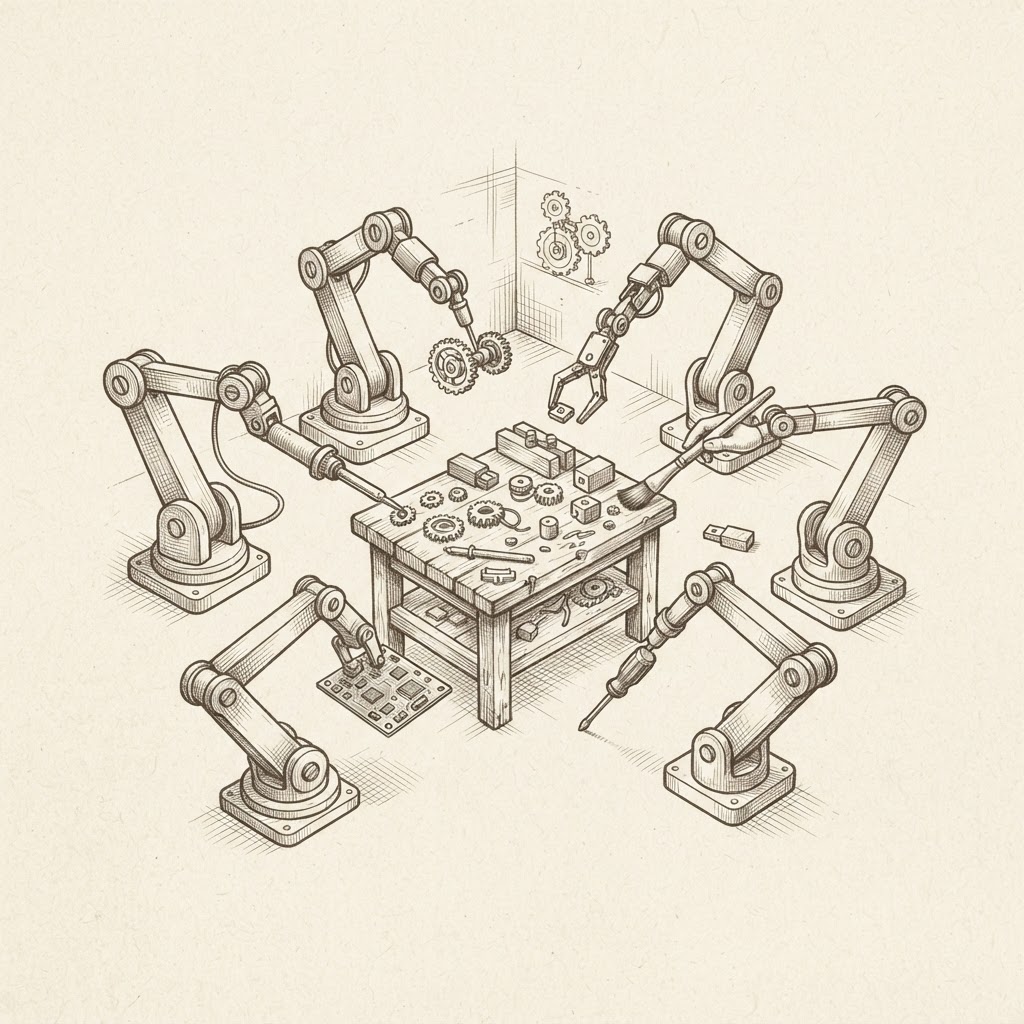
Why Small Businesses Need AI Teams, Not AI Tools
Small business owners have more AI tools than ever and still don't know what to do next. Here's why the fix is an AI Team, not another tool.

Your Business Has a Brain. It Just Doesn't Know It Yet.
AI memory tells you what happened. A Business Brain tells you what it means. Here's the difference, and why it matters most for solo business owners.